React Native App Development
React Native lets one team ship a real native app to the App Store and Google Play from a single codebase. It is the framework behind most of the mobile apps in our portfolio, from fintech to food delivery.
What it is. When we use it.
React Native is Meta's open-source framework for building mobile apps with React and JavaScript or TypeScript. Unlike a web view, it renders real native components, so lists scroll, buttons respond and gestures feel the way users expect on each platform. Most of the code is shared between iOS and Android, and native modules fill the gaps where a feature needs platform code.
It is our default for products that need both platforms on one budget, for teams that already run a React web app, and for MVPs that need to reach real users quickly. With Expo and over-the-air updates, small fixes can reach users without waiting for a store review.
When we reach for it
- You need iOS and Android at launch from one team and one budget
- There is a React web app whose code, types and patterns the mobile app can share
- You want to validate an MVP with real users before investing in two native apps
- The product changes often and benefits from over-the-air updates
Why we choose it.
What React Native brings to the products we build, and why it earns its place in the stack.
One codebase
Most of the code is shared across iOS and Android, so features ship to both platforms together.
Truly native UI
Screens are built from real native components, not a web page wrapped in an app.
Faster updates
Over-the-air updates deliver fixes and copy changes without a full store release.
Shared with web
TypeScript types, business logic and API clients can be shared with a React web app.
What we build with it.
The products and features we build with React Native, from our services and the industries we know.
Cross-platform apps
Consumer and business apps for iOS and Android from one team and one roadmap.
Fintech apps
Budgeting, payments and banking apps with biometric sign-in and secure storage.
Shopping and marketplaces
Storefronts, social commerce and two-sided marketplaces with in-app checkout.
Ordering and delivery
Live order tracking, maps and push notifications for food and delivery apps.
Events and bookings
Ticketing, schedules and booking flows with payments built in.
Learning apps
Courses, progress tracking and live sessions for students on any phone.
Shipped with it.
Projects from our portfolio built with React Native. Open one for its screens, features and stack.
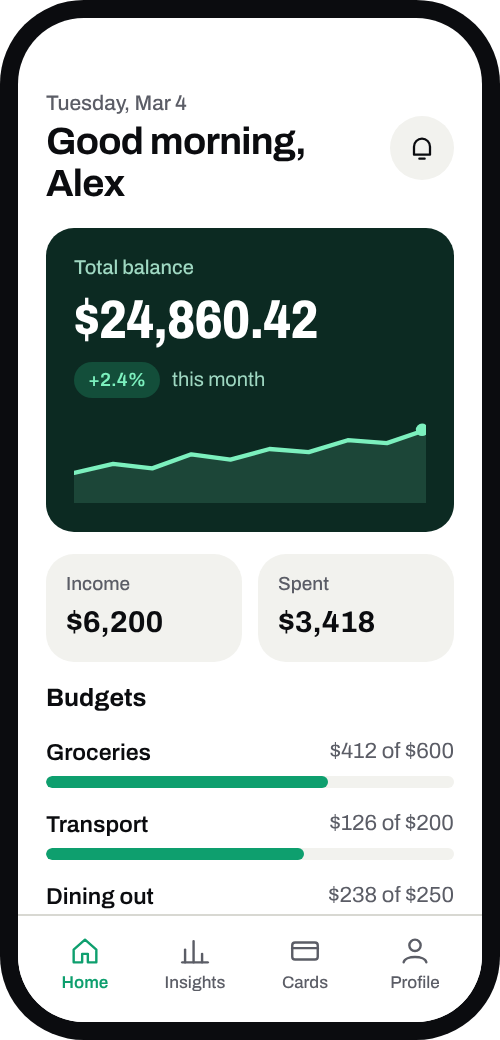
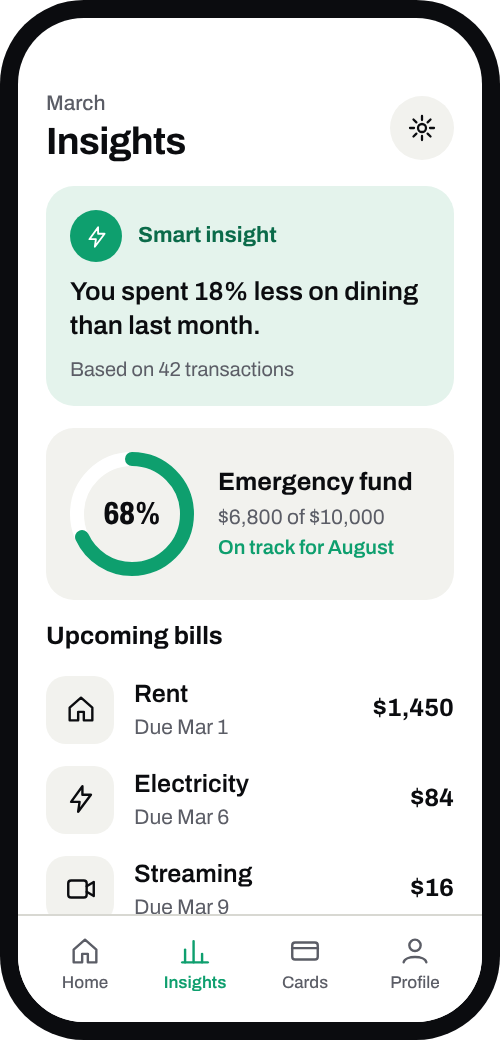
FinTrack Pro
Personal finance management app with AI-powered insights and budget tracking.
React Native · Node.js · PostgreSQL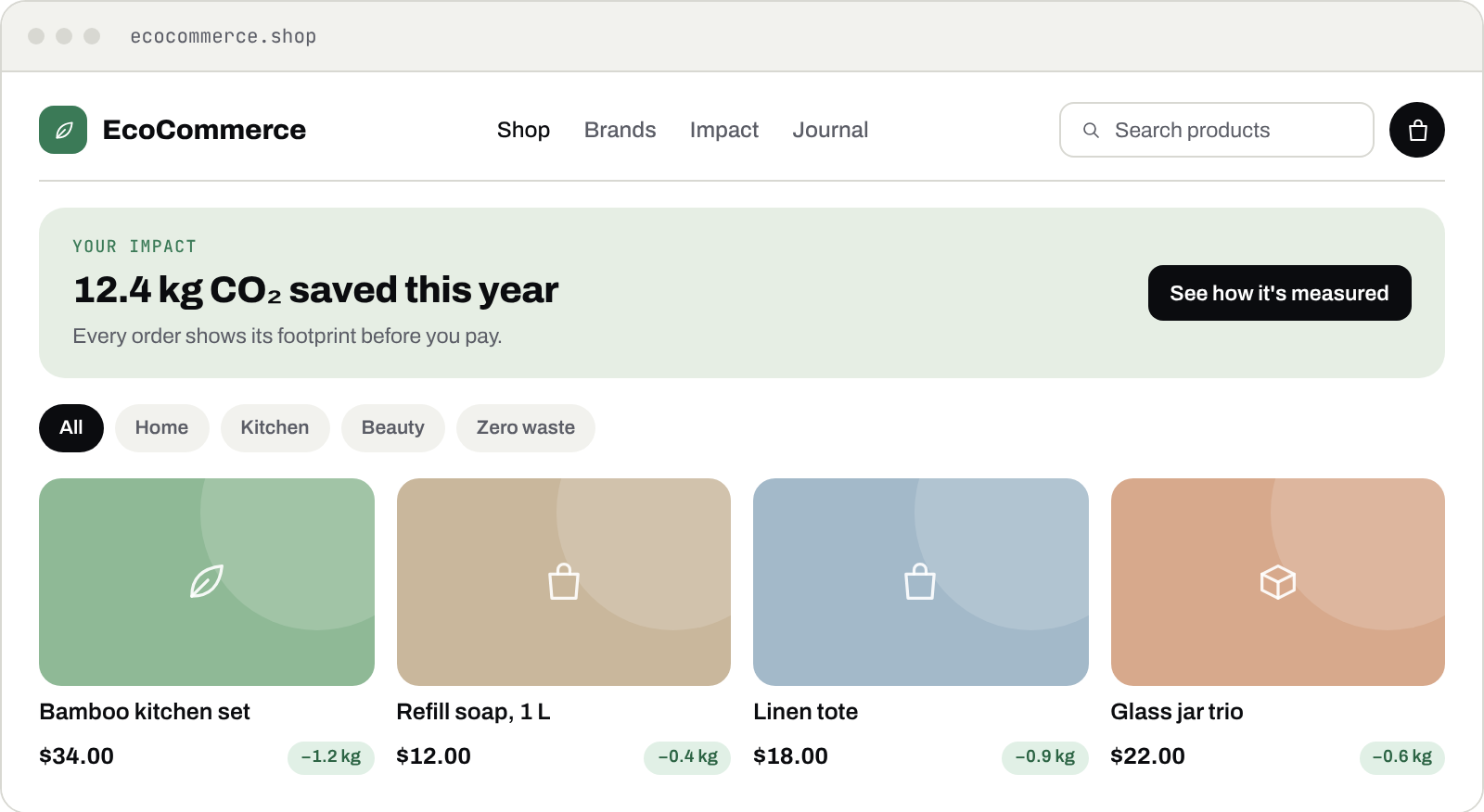
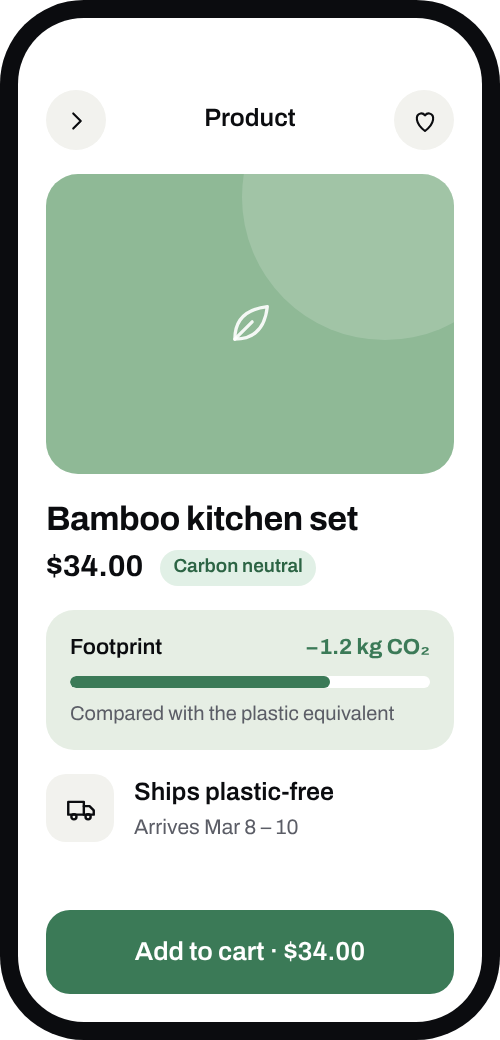
EcoCommerce
Sustainable marketplace with carbon footprint tracking for eco-conscious shoppers.
React Native · Next.js · Stripe
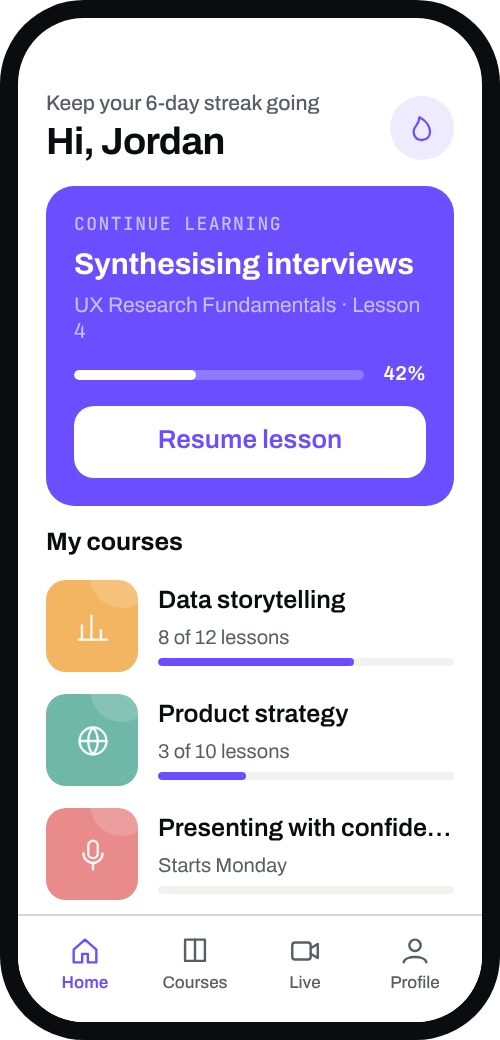
LearnSphere
E-learning platform with interactive courses and progress tracking.
React Native · React · Node.js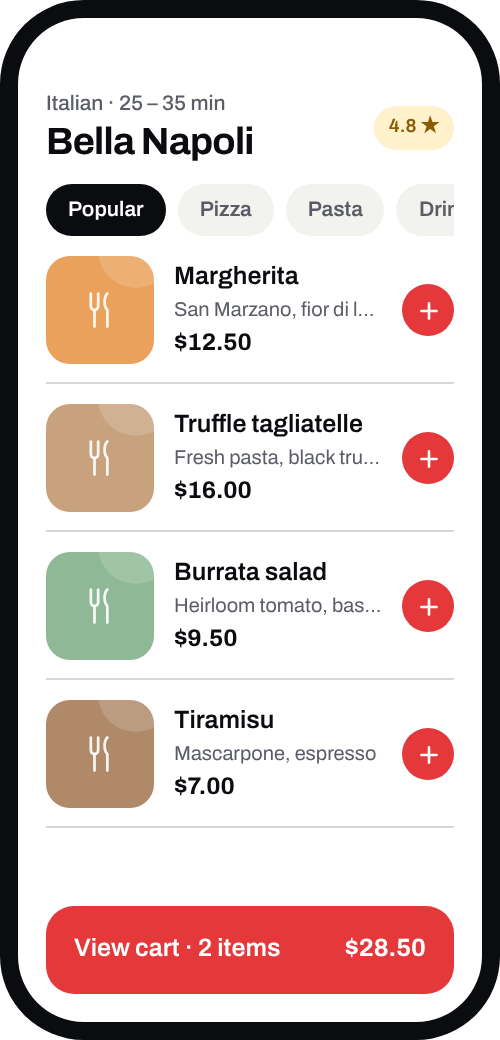
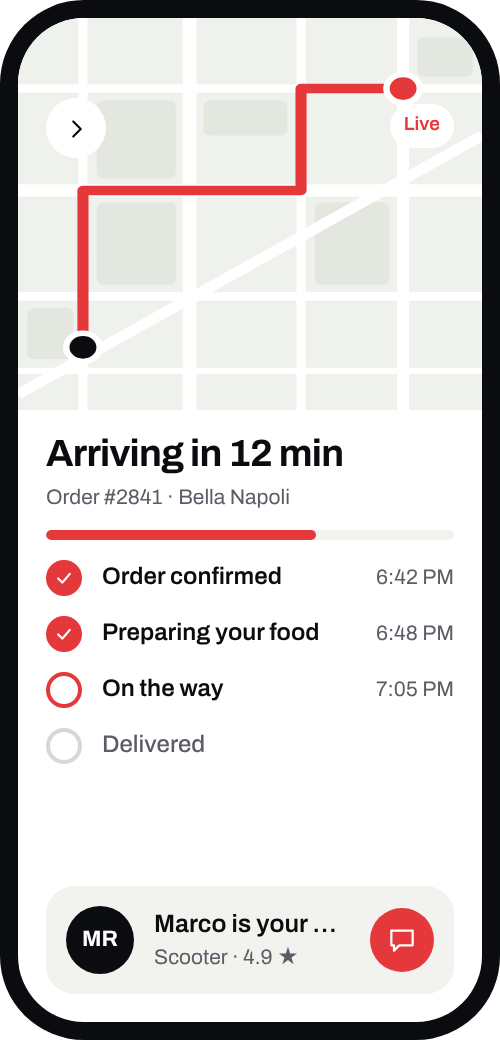
DeliverEats
Food delivery app with real-time tracking and restaurant management.
React Native · Node.js · Redis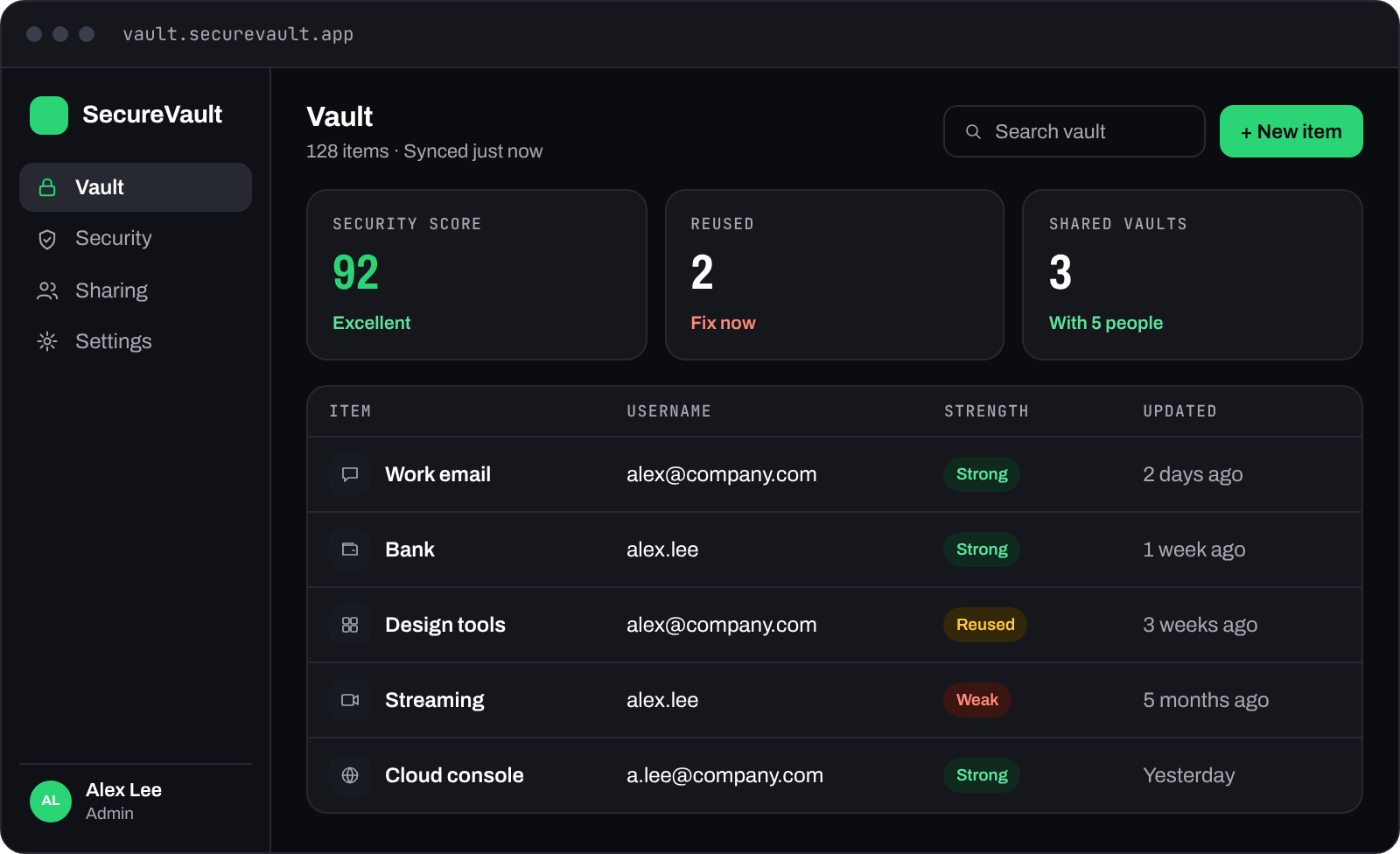
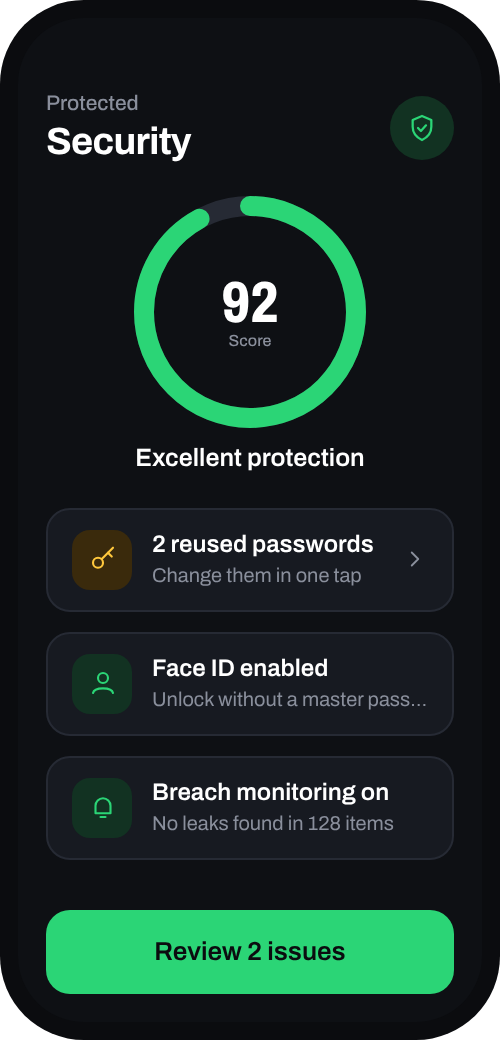
SecureVault
Password manager with biometric authentication and secure sharing.
React Native · React · Rust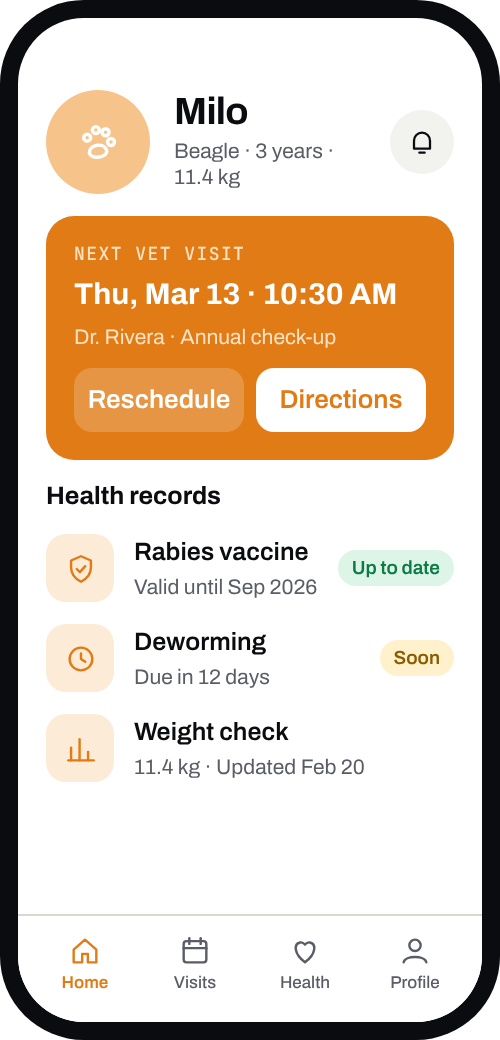
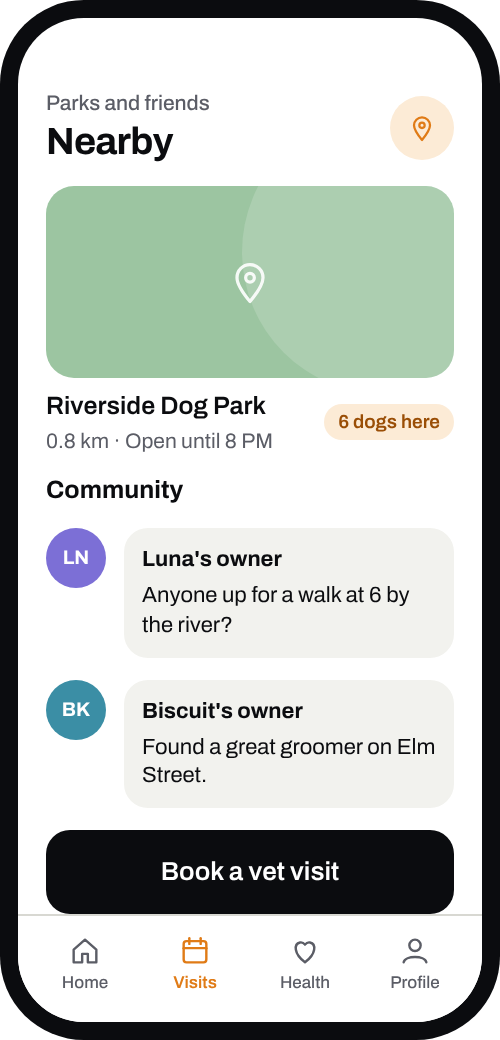
PetPal
Pet care app with vet appointments, health records, and social features.
React Native · Node.js · FirebasePick the right fit.
There is no single best way to build a mobile app. This is how the four options compare in practice; we recommend one after a scoping call.
| Compare | NativeSwift · Kotlin | React NativeTypeScript · This page | FlutterDart |
|---|---|---|---|
| Codebase | One per platform | One shared codebase for iOS and Android | One shared codebase for iOS and Android |
| Interface | Each platform's own UI kit: SwiftUI and Jetpack Compose | Real native components, driven from React | Flutter's own engine draws every pixel |
| Device features | Every platform API, on the day it ships | Most through libraries; native modules for the rest | Most through plugins; platform channels for the rest |
| Performance | The ceiling for graphics and on-device processing | Close to native for most business and consumer apps | Smooth, consistent rendering on every device |
| Shared with web | Little or none | Types, logic and API code shared with a React web app | Little; Flutter web suits app-like tools more than websites |
| Best fit | Apps built around one platform and its newest features | Products that need both stores and a React web app | Brand-led designs that must look identical everywhere |
From first call to live app.
A proven five-stage process that eliminates guesswork, keeps you in control, and delivers on time.
Discovery & Scoping
We learn your business, map your users, and define exactly what needs to be built. No guesswork. No assumptions.
Design & Prototype
Wireframes and interactive prototypes so you can see and feel the app before a single line of code is written.
Development Sprints
Agile two-week sprints. You see real progress regularly. Feedback is built in — not bolted on at the end.
QA & Testing
Rigorous testing across devices, edge cases, and real-world scenarios. We find the bugs so your users don't.
Launch & Support
App Store submission, launch support, and an ongoing maintenance plan to keep everything running smoothly.
Questions, answered.
What clients most often ask us about React Native. Something else on your mind? Ask us directly.
01Is React Native as fast as a native app?
For most business and consumer apps, users cannot tell the difference. React Native renders native components, and its new architecture removes most of the old overhead. For graphics-heavy apps or heavy on-device processing, we may recommend native modules or a fully native build.
02How much code is shared between iOS and Android?
Usually the large majority: screens, navigation, business logic and API calls. Platform-specific code is limited to things like certain native SDKs or design details that should differ between the two.
03Do you use Expo?
In most projects, yes. Expo speeds up development, builds and over-the-air updates, and it no longer limits access to native code. We still write custom native modules when a feature needs them.
04Can React Native use device features such as the camera, GPS and Bluetooth?
Yes. Camera, location, biometrics, push notifications, Bluetooth and payments are all well supported, and anything missing can be added with a native module in Swift or Kotlin.
05Can you add to our existing React Native app?
Yes. We review the codebase, dependencies and React Native version first, then plan any upgrades alongside new features so the app stays maintainable.
Ready to build something that actually works?
Get a free strategy call with our team. No hard sell. No obligation. Just an honest conversation about what you need to build and whether we're the right fit.