Node.js Development
Node.js runs JavaScript on the server. We use it to build the APIs, real-time services and integrations behind our web and mobile apps, so one team can work across the whole product in one language.
What it is. When we use it.
Node.js is an open-source runtime that runs JavaScript outside the browser. Its event-driven, non-blocking design handles many connections at once with little overhead, which makes it a strong fit for APIs, chat, live tracking and other real-time features. npm, its package registry, is the largest in the world.
We use Node.js with TypeScript for the back ends of most of our web and mobile products: REST and GraphQL APIs, background jobs, webhooks and integrations with payment, mapping and messaging services. Using the same language on the server and in the app keeps teams small and data models shared.
When we reach for it
- A web or mobile app needs its own API and business logic
- Features are real-time: chat, live tracking, notifications or collaboration
- The product connects many third-party services through APIs and webhooks
- You want one language and one set of types across front end and back end
Why we choose it.
What Node.js brings to the products we build, and why it earns its place in the stack.
Built for real time
Non-blocking I/O handles many live connections for chat, tracking and updates.
One language
JavaScript and TypeScript across server, web and mobile, with shared types and validation.
Easy integrations
Mature SDKs exist for almost every payment, maps, email and messaging service.
Scales out
Stateless services scale horizontally behind a load balancer or as serverless functions.
What we build with it.
The products and features we build with Node.js, from our services and the industries we know.
APIs for apps
REST and GraphQL APIs that power web and mobile apps, with auth and roles.
Real-time features
Chat, live order tracking and collaborative editing over WebSockets.
Fintech back ends
Secure services for accounts, transactions and bank data connections.
Ordering and delivery
Order, dispatch and notification services for food and delivery apps.
Integrations
Webhooks and connectors that link your product with payment, CRM and messaging tools.
Shipped with it.
Projects from our portfolio built with Node.js. Open one for its screens, features and stack.
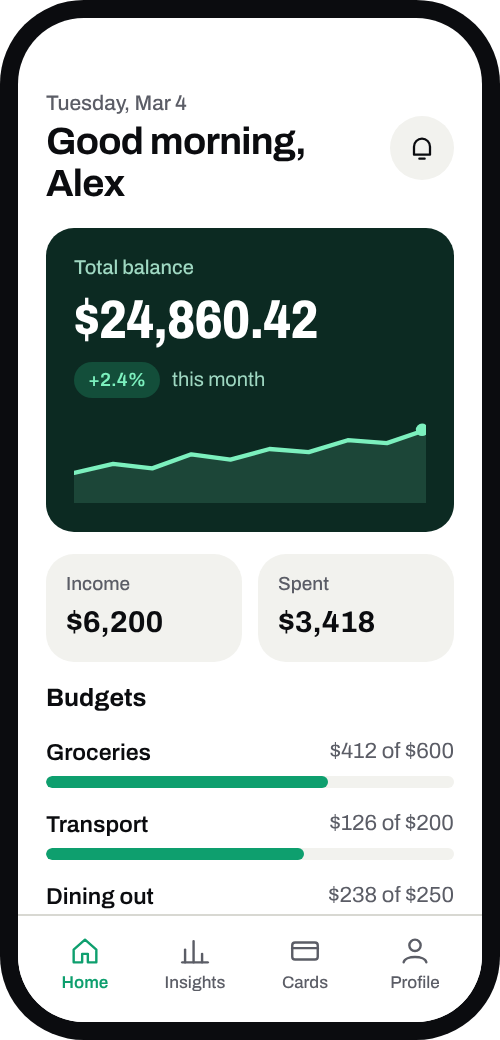
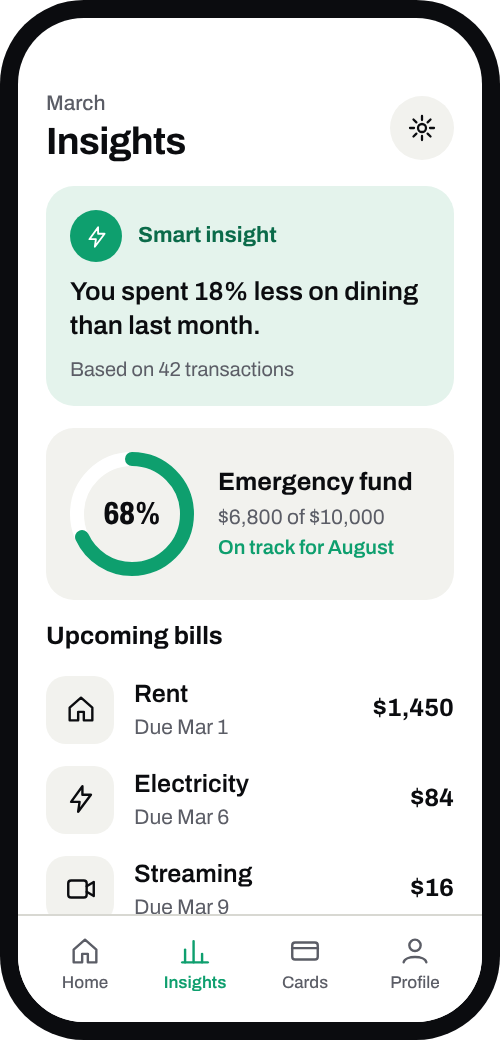
FinTrack Pro
Personal finance management app with AI-powered insights and budget tracking.
React Native · Node.js · PostgreSQL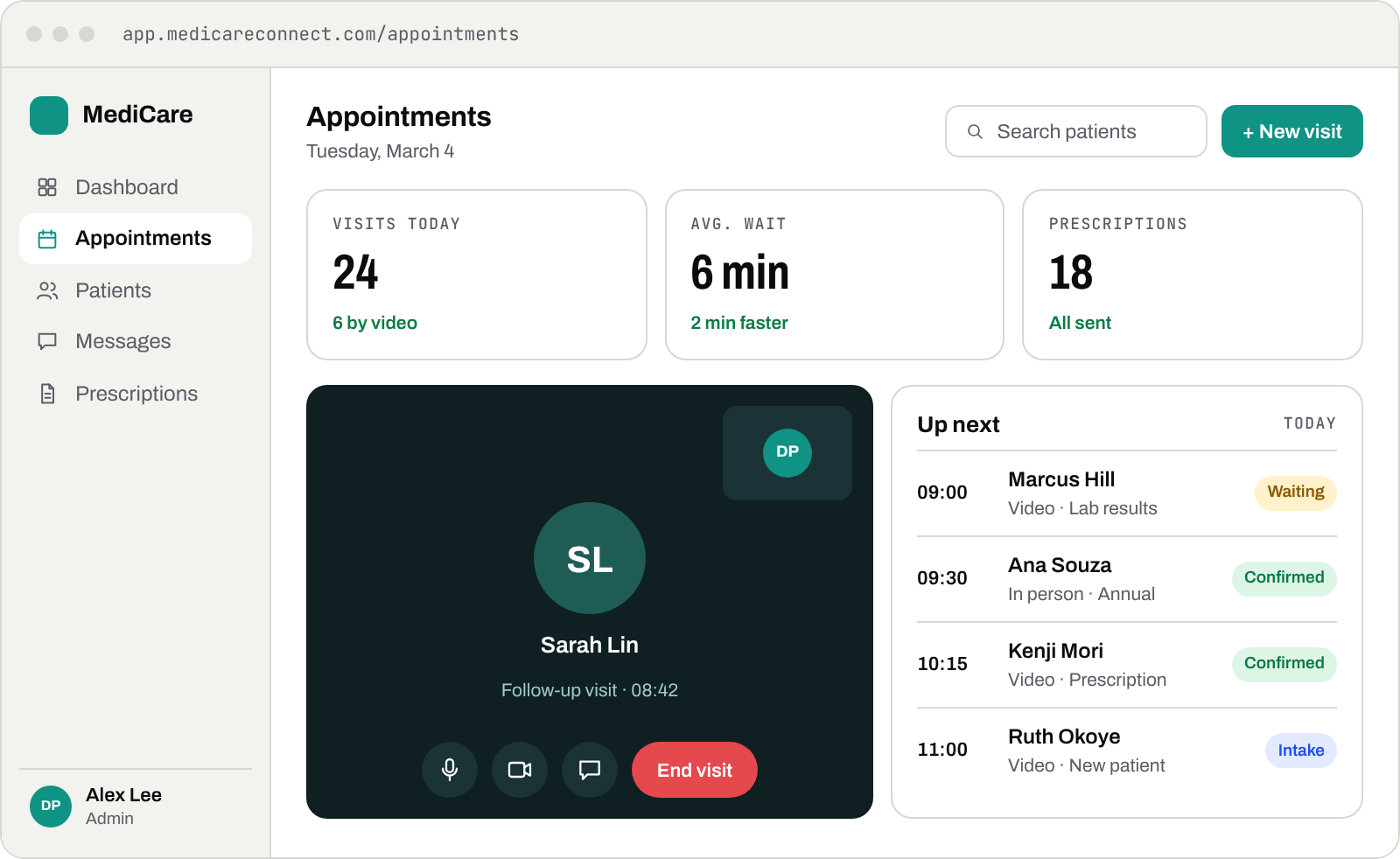
MediCare Connect
Telemedicine platform connecting patients with healthcare providers.
React · Node.js · WebRTC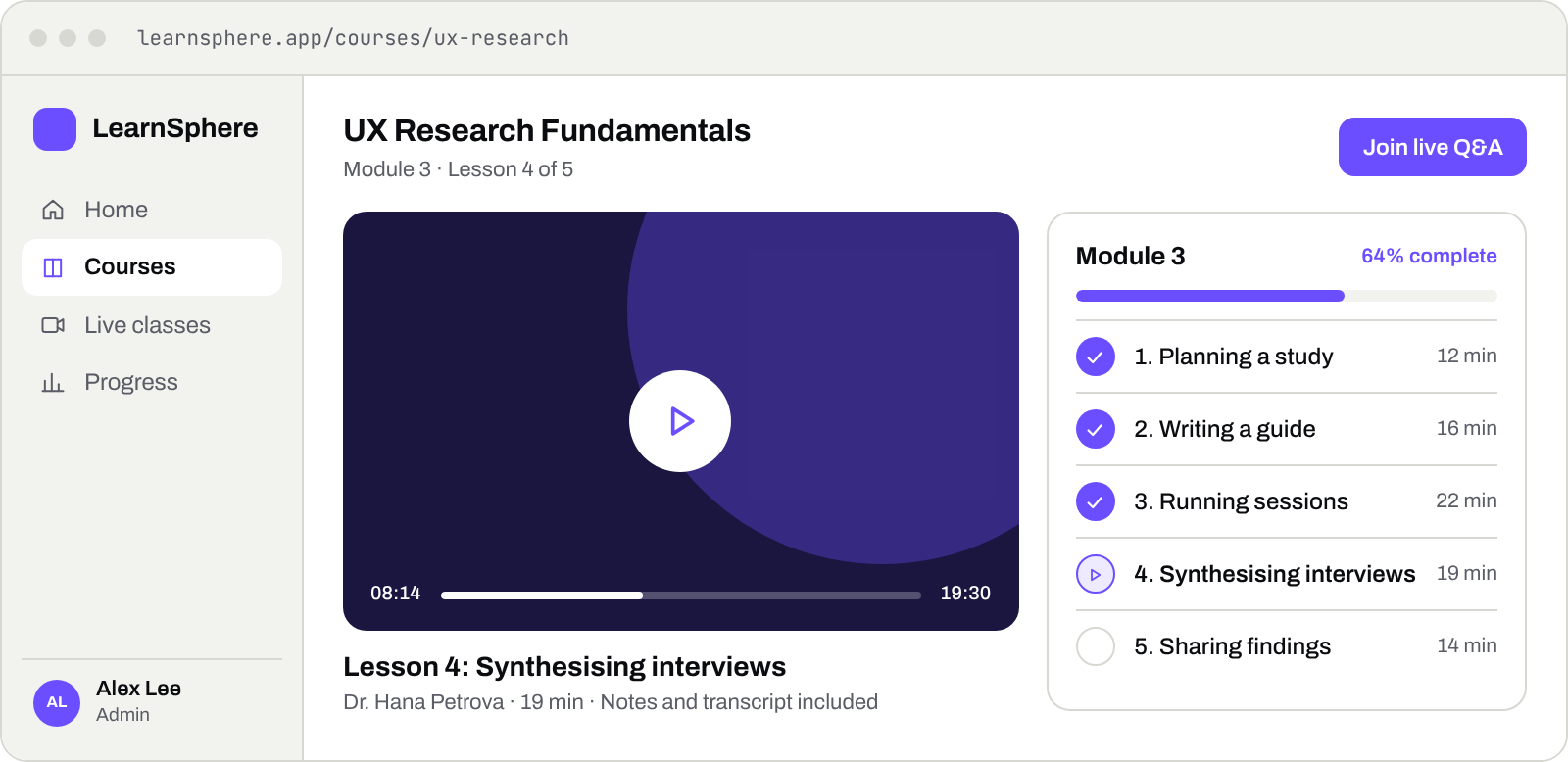
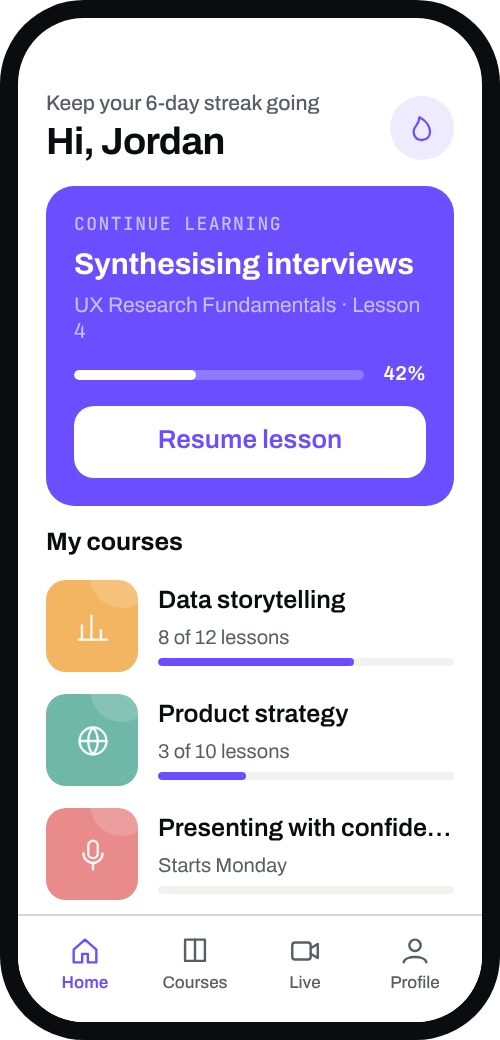
LearnSphere
E-learning platform with interactive courses and progress tracking.
React Native · React · Node.js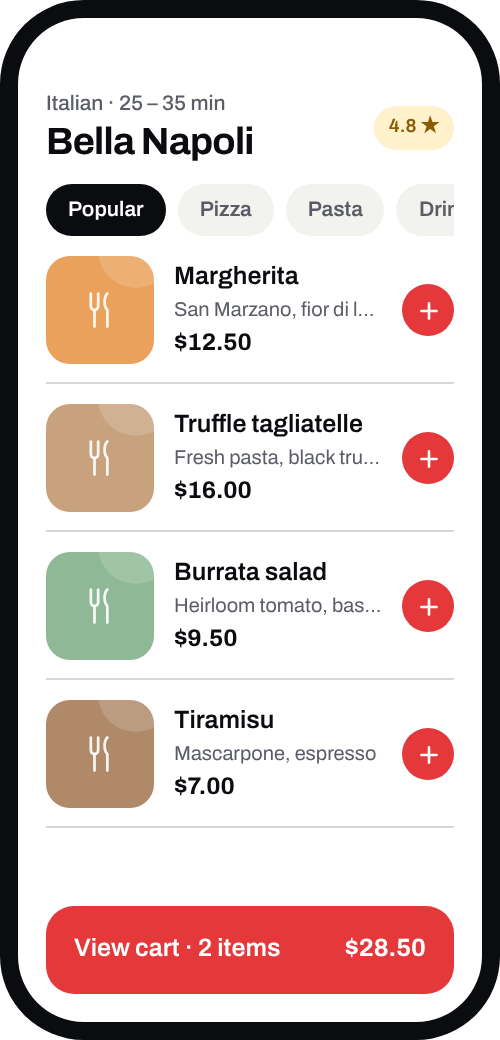
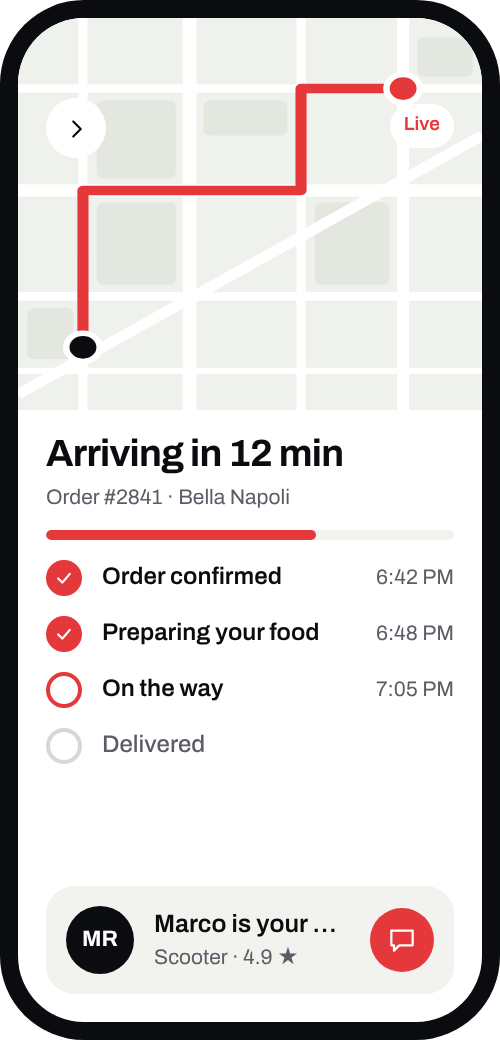
DeliverEats
Food delivery app with real-time tracking and restaurant management.
React Native · Node.js · Redis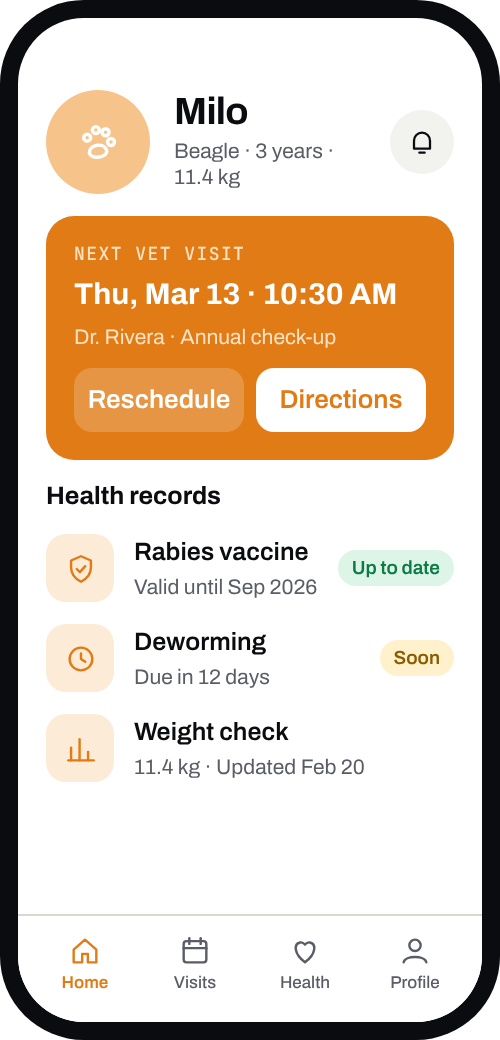
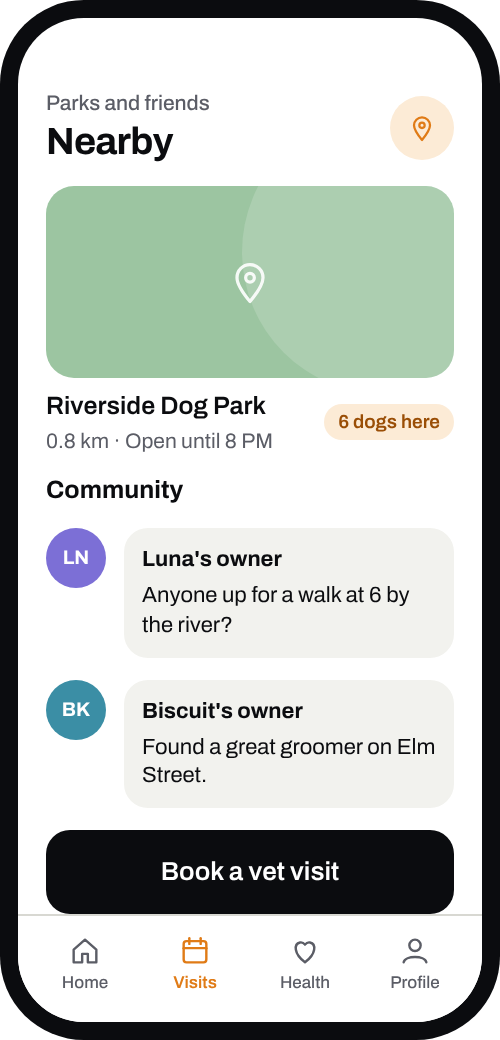
PetPal
Pet care app with vet appointments, health records, and social features.
React Native · Node.js · Firebase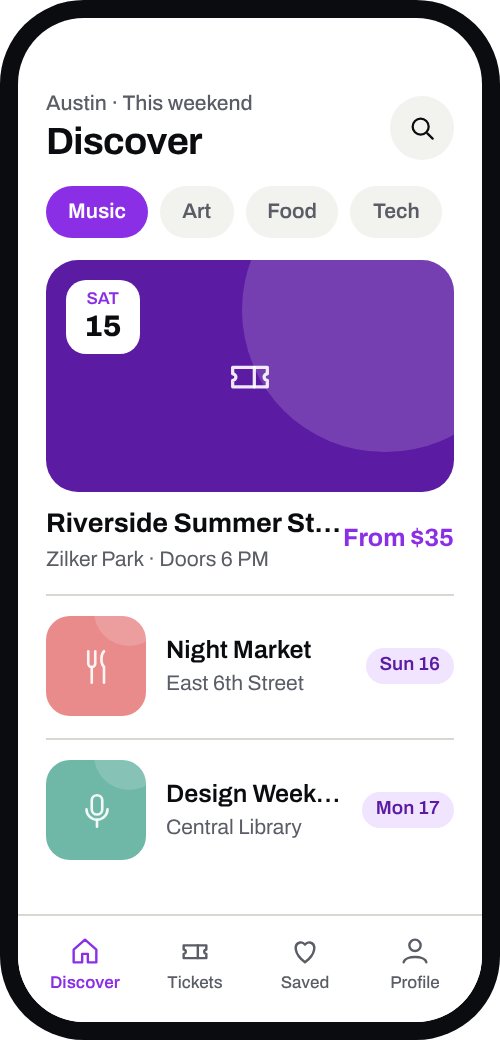
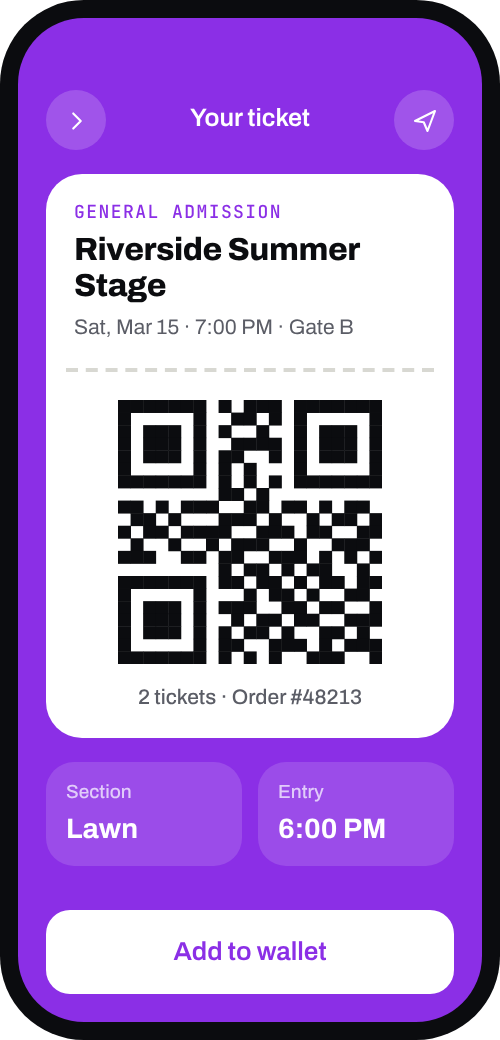
EventHub
Event ticketing app with discovery, QR tickets, and venue maps.
React Native · Node.js · RedisBetter together.
The technologies we most often combine with Node.js. Each has its own page.
From first call to live app.
A proven five-stage process that eliminates guesswork, keeps you in control, and delivers on time.
Discovery & Scoping
We learn your business, map your users, and define exactly what needs to be built. No guesswork. No assumptions.
Design & Prototype
Wireframes and interactive prototypes so you can see and feel the app before a single line of code is written.
Development Sprints
Agile two-week sprints. You see real progress regularly. Feedback is built in — not bolted on at the end.
QA & Testing
Rigorous testing across devices, edge cases, and real-world scenarios. We find the bugs so your users don't.
Launch & Support
App Store submission, launch support, and an ongoing maintenance plan to keep everything running smoothly.
Questions, answered.
What clients most often ask us about Node.js. Something else on your mind? Ask us directly.
01Is Node.js fast enough for our back end?
For APIs, real-time features and integrations, yes: that is where it shines. For heavy number crunching or machine learning we pair it with Python services or background workers.
02Which frameworks do you use with Node.js?
It depends on the project. We use lightweight frameworks for small services and more structured ones for large APIs, always with TypeScript and input validation.
03Which database do you pair it with?
PostgreSQL in most cases, MongoDB where flexible documents fit the data better, and Redis for caching and queues.
04How do you host Node.js services?
On AWS, as containers or serverless functions, or on managed platforms. We choose based on traffic, cost and what your team already runs.
05Can you take over our existing Node.js API?
Yes. We start with a review of security, dependencies, error handling and tests, then fix the riskiest issues before adding new features.
06How do you secure a Node.js API?
Authentication and role checks on every route, validation of every input, rate limiting, secrets kept out of the code, dependencies scanned for known vulnerabilities, and logs that record what happened without exposing personal data.
Ready to build something that actually works?
Get a free strategy call with our team. No hard sell. No obligation. Just an honest conversation about what you need to build and whether we're the right fit.