MongoDB Development
MongoDB stores data as flexible documents instead of fixed tables. We use it for catalogues, content, events and other data whose shape varies from record to record or changes as the product evolves.
What it is. When we use it.
MongoDB is a document database. Each record is a JSON-like document that can hold nested data and fields that differ from one record to the next, so the data model can change without large migrations. It scales horizontally through sharding, and MongoDB Atlas runs it as a managed service on the major clouds.
We choose MongoDB when the data is naturally document-shaped: product catalogues with varied attributes, user-generated content, course material, activity feeds and event logs. For data that is strongly relational, such as payments and accounting, we usually recommend PostgreSQL instead, and sometimes we use both.
When we reach for it
- Records vary in shape, like products with different attributes
- The data model is still changing quickly in an early-stage product
- Data is read and written as whole documents, such as content or feeds
- Large volumes of events or logs need to be stored and queried
Why we choose it.
What MongoDB brings to the products we build, and why it earns its place in the stack.
Flexible schema
New fields can be added without migrations, which suits products still finding their shape.
Natural for JSON
Documents map directly to the objects in your code and API, with less translation.
Scales out
Sharding spreads large data sets and heavy traffic across servers.
Rich queries
Indexes, aggregation pipelines and text search work on nested data.
What we build with it.
The products and features we build with MongoDB, from our services and the industries we know.
Product catalogues
Products with varied attributes, variants and content for online stores.
Learning content
Courses, lessons, quizzes and progress stored as flexible documents.
Travel data
Itineraries, places and bookings with nested, varied details.
Fast-moving products
Web apps whose data model is still changing from sprint to sprint.
Feeds and activity logs
Activity streams, notifications and event history at high volume.
Shipped with it.
Projects from our portfolio built with MongoDB. Open one for its screens, features and stack.
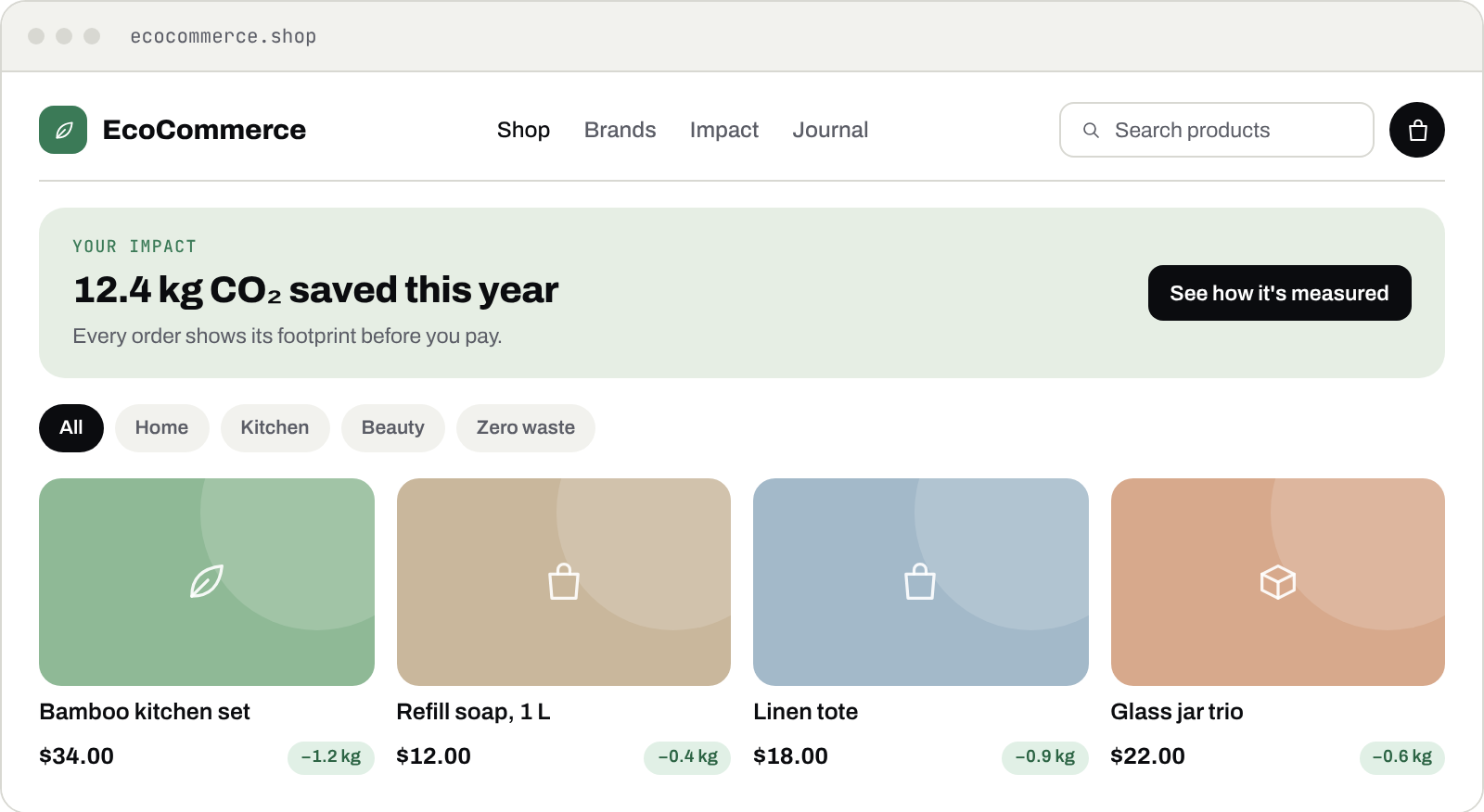
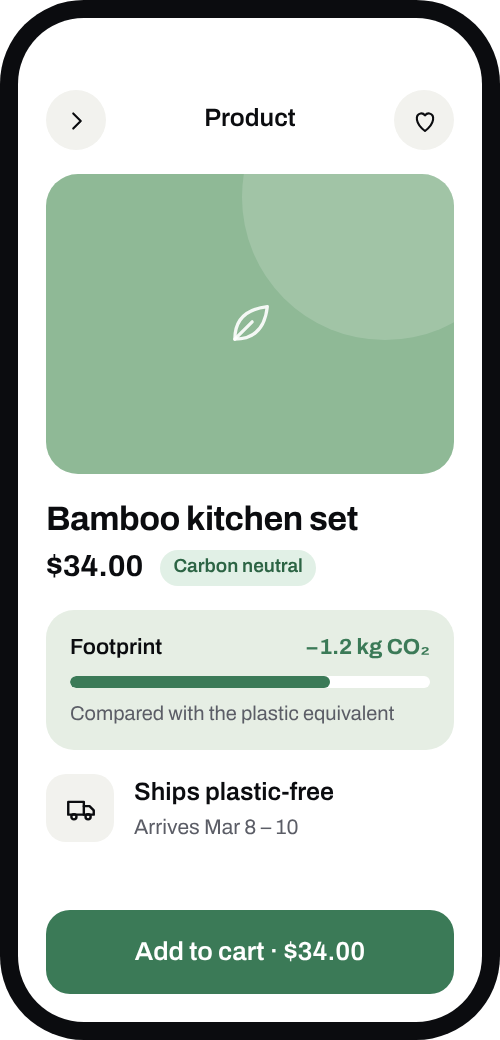
EcoCommerce
Sustainable marketplace with carbon footprint tracking for eco-conscious shoppers.
React Native · Next.js · Stripe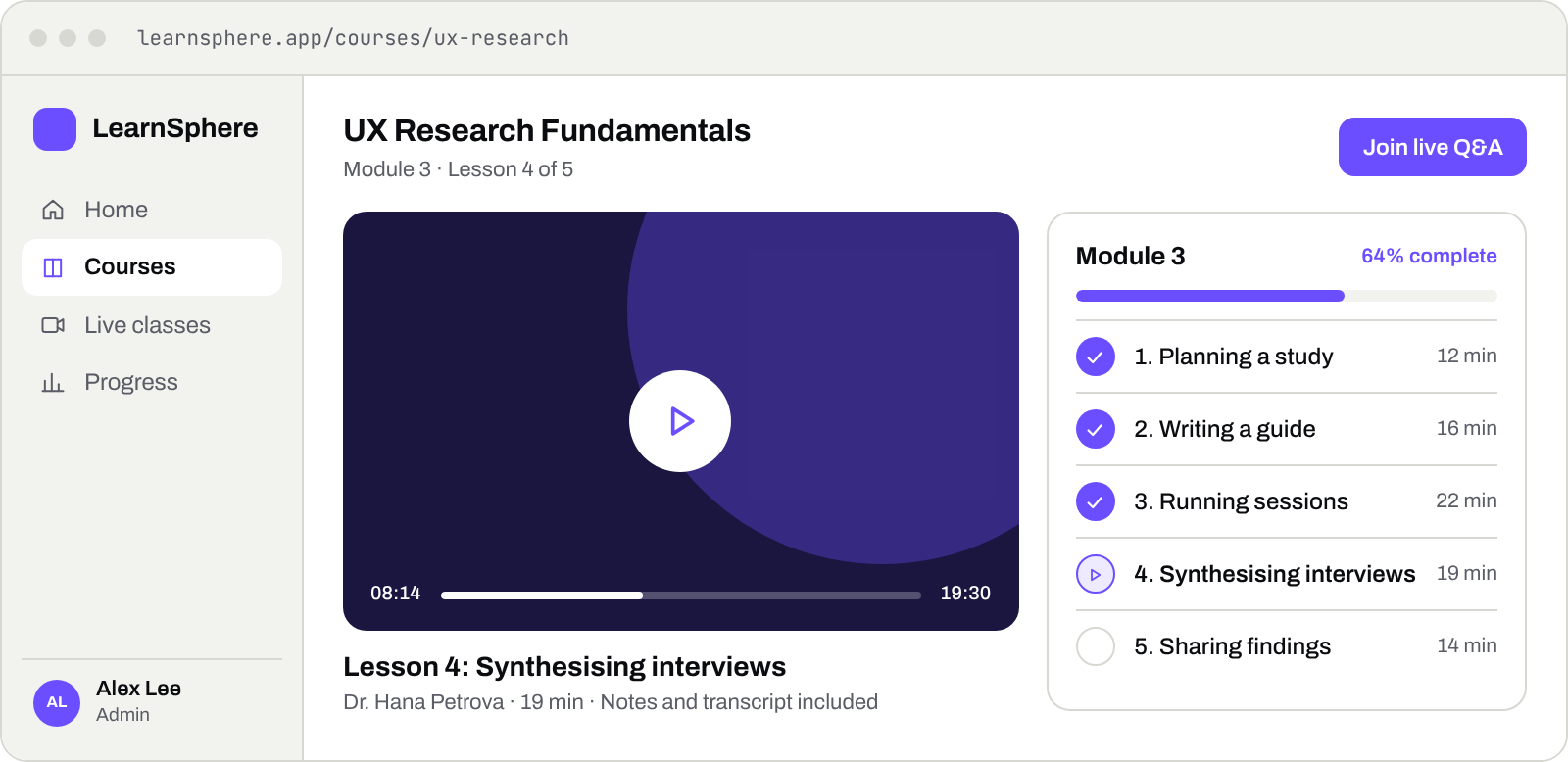
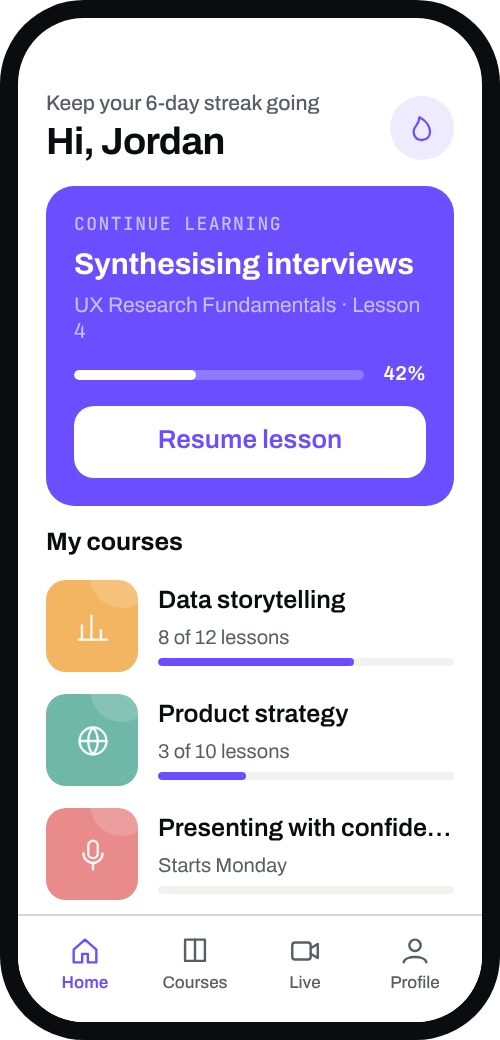
LearnSphere
E-learning platform with interactive courses and progress tracking.
React Native · React · Node.js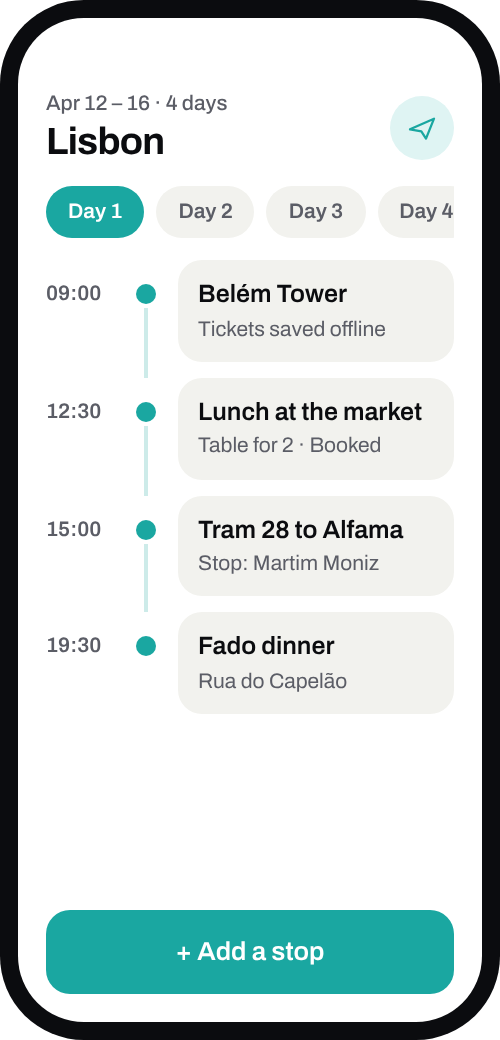
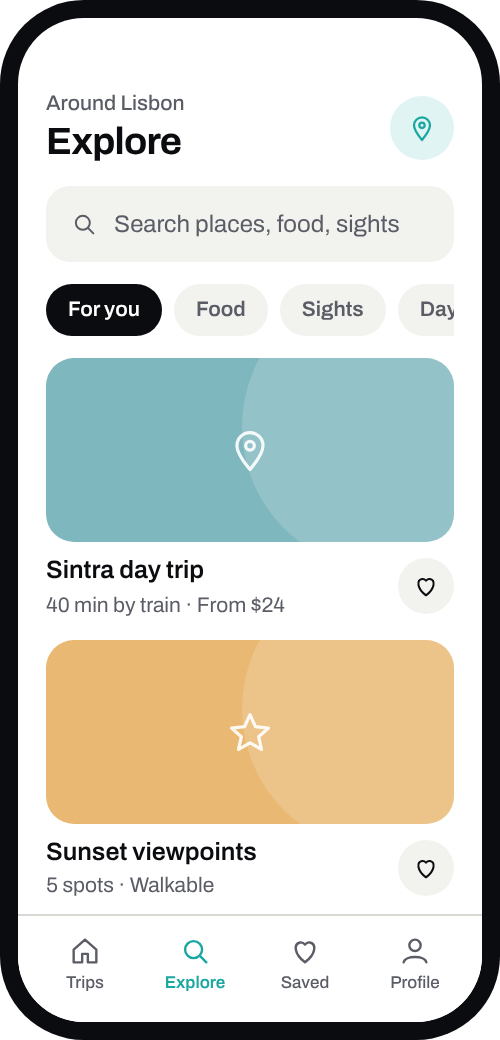
TravelMate
Travel planning app with itinerary builder and local recommendations.
Flutter · Go · MongoDBBetter together.
The technologies we most often combine with MongoDB. Each has its own page.
From first call to live app.
A proven five-stage process that eliminates guesswork, keeps you in control, and delivers on time.
Discovery & Scoping
We learn your business, map your users, and define exactly what needs to be built. No guesswork. No assumptions.
Design & Prototype
Wireframes and interactive prototypes so you can see and feel the app before a single line of code is written.
Development Sprints
Agile two-week sprints. You see real progress regularly. Feedback is built in — not bolted on at the end.
QA & Testing
Rigorous testing across devices, edge cases, and real-world scenarios. We find the bugs so your users don't.
Launch & Support
App Store submission, launch support, and an ongoing maintenance plan to keep everything running smoothly.
Questions, answered.
What clients most often ask us about MongoDB. Something else on your mind? Ask us directly.
01Is MongoDB a good choice for our product?
If your records vary in shape or the model changes often, yes. If your data is strongly relational, such as orders, invoices and accounts, PostgreSQL is usually the better fit. We recommend one after mapping your data.
02Does MongoDB support transactions?
Yes. It supports multi-document transactions, although a well-designed document model needs them less often than a relational one.
03Where do you host MongoDB?
Usually on MongoDB Atlas, the managed service, which handles backups, scaling and updates on AWS, Google Cloud or Azure.
04Can you move our data from MongoDB to PostgreSQL, or the other way?
Yes. We map the data model, write and test the migration, and run both side by side where needed so the switch is safe.
05How do you keep MongoDB queries fast?
By designing documents around how the app reads them, adding the right indexes and watching slow-query logs as usage grows.
06Can MongoDB and PostgreSQL be used together?
Yes, and sometimes that is the right call: PostgreSQL for accounts, orders and payments where consistency matters, MongoDB for catalogue content, feeds or event logs. We keep the boundary clear so each database owns its own data.
Ready to build something that actually works?
Get a free strategy call with our team. No hard sell. No obligation. Just an honest conversation about what you need to build and whether we're the right fit.