React Web App Development
React is the most widely used library for building interactive web interfaces. We use it for SaaS platforms, dashboards and customer portals where the interface does real work and has to stay fast as the product grows.
What it is. When we use it.
React is an open-source JavaScript library, created at Meta, for building user interfaces from small, reusable components. Each component describes what the screen should look like for a given state, and React updates the page efficiently when that state changes. A huge ecosystem covers routing, forms, data fetching, charts and testing.
It is our standard for web applications: SaaS products, admin dashboards, booking systems and portals. We pair it with TypeScript for safety and with Next.js when pages also need to be found in search. Because React Native shares the same model, a React web app and a mobile app can share logic and even people.
When we reach for it
- The product is an application with forms, tables, filters and live data
- The interface will grow over time and needs a component system that scales
- You plan a mobile app later and want to share code with React Native
- You want a stack that is easy to hire for and well supported
Why we choose it.
What React brings to the products we build, and why it earns its place in the stack.
Reusable components
Buttons, tables and forms are built once and reused, so the interface stays consistent.
Fast interfaces
React updates only what changed, keeping busy dashboards and editors responsive.
Huge ecosystem
Proven libraries for routing, charts, forms and testing mean less code written from scratch.
Easy to staff
React is the most common front-end skill, so your product is never tied to a rare specialist.
What we build with it.
The products and features we build with React, from our services and the industries we know.
SaaS platforms
Subscription products with onboarding, billing, roles and settings.
Dashboards and analytics
Live charts, tables and reports for operations, finance and sales teams.
Healthcare portals
Patient and clinician portals with scheduling, records and video visits.
Property platforms
Listing, tenant and maintenance portals for property managers.
Internal tools
Back-office systems that replace spreadsheets and manual processes.
Shipped with it.
Projects from our portfolio built with React. Open one for its screens, features and stack.
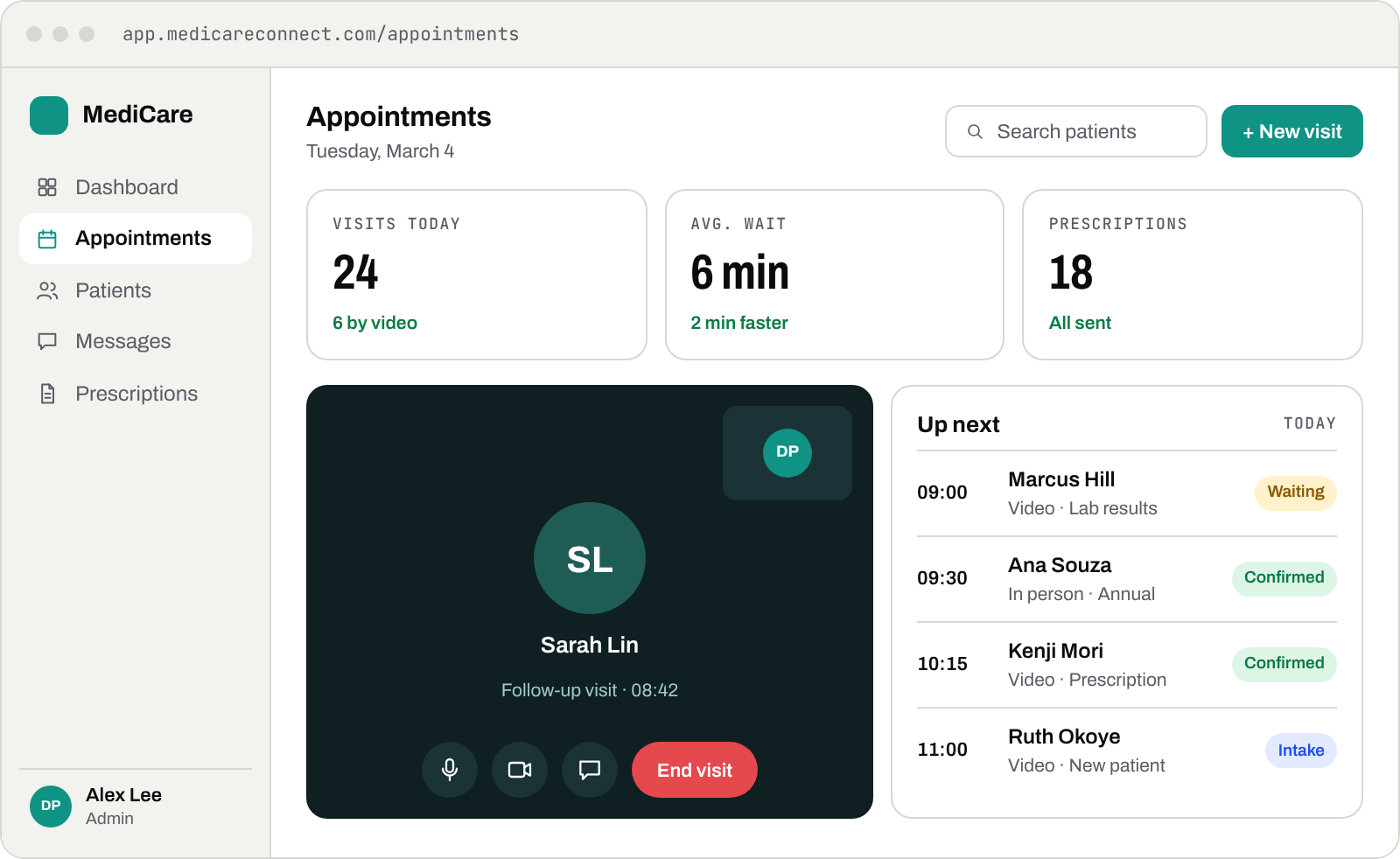
MediCare Connect
Telemedicine platform connecting patients with healthcare providers.
React · Node.js · WebRTC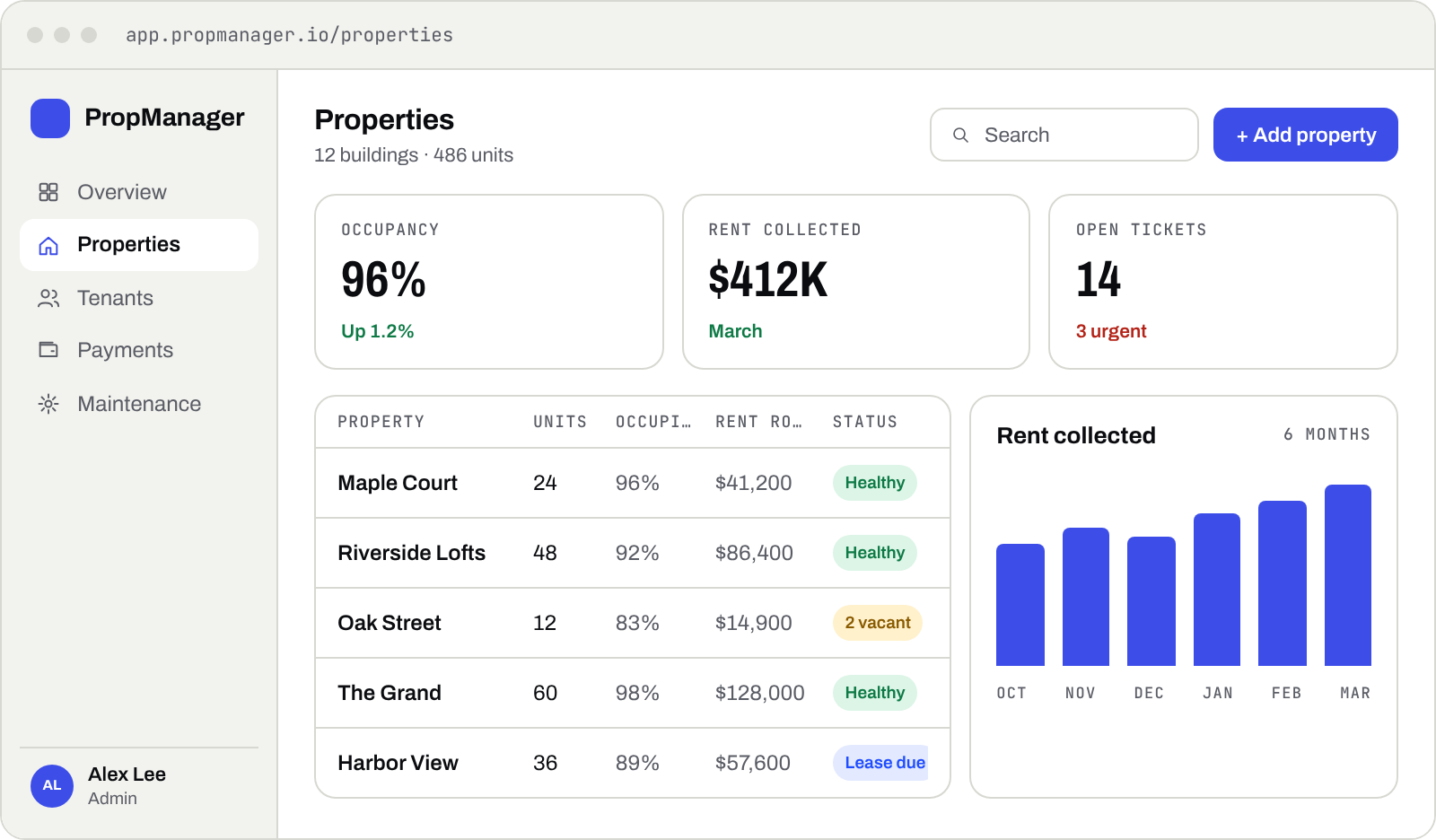
PropManager
Property management platform for landlords and property managers.
React · Python · PostgreSQL
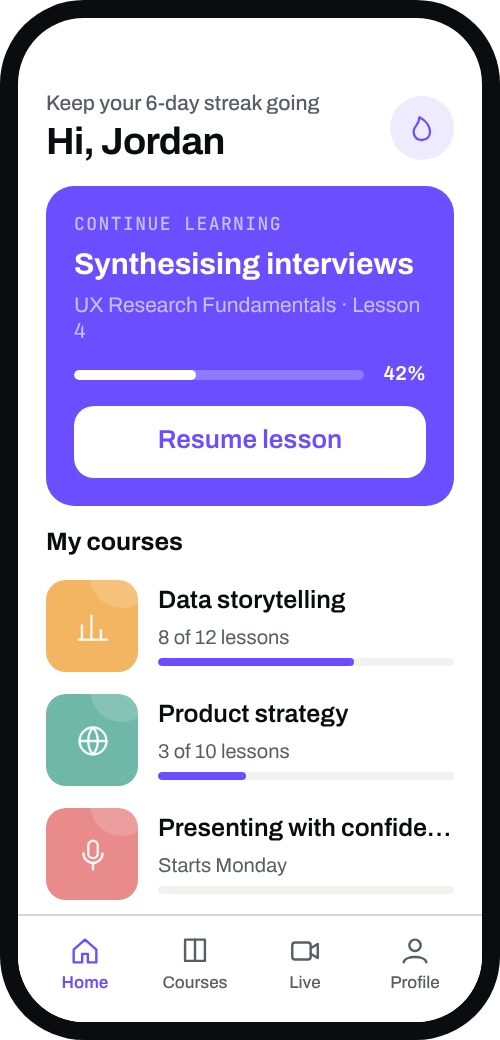
LearnSphere
E-learning platform with interactive courses and progress tracking.
React Native · React · Node.js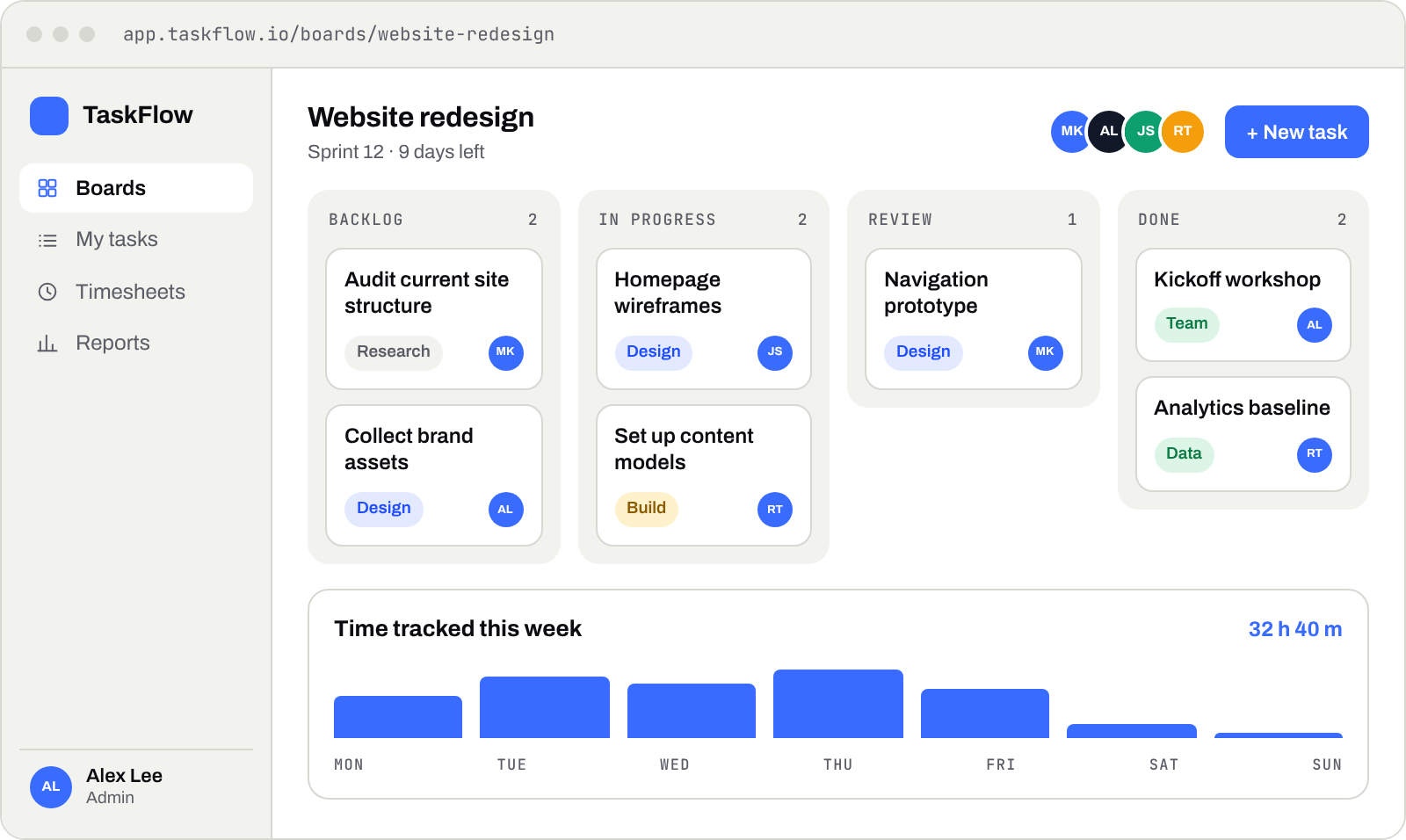
TaskFlow
Project management tool with Kanban boards, time tracking, and team collaboration.
React · TypeScript · GraphQL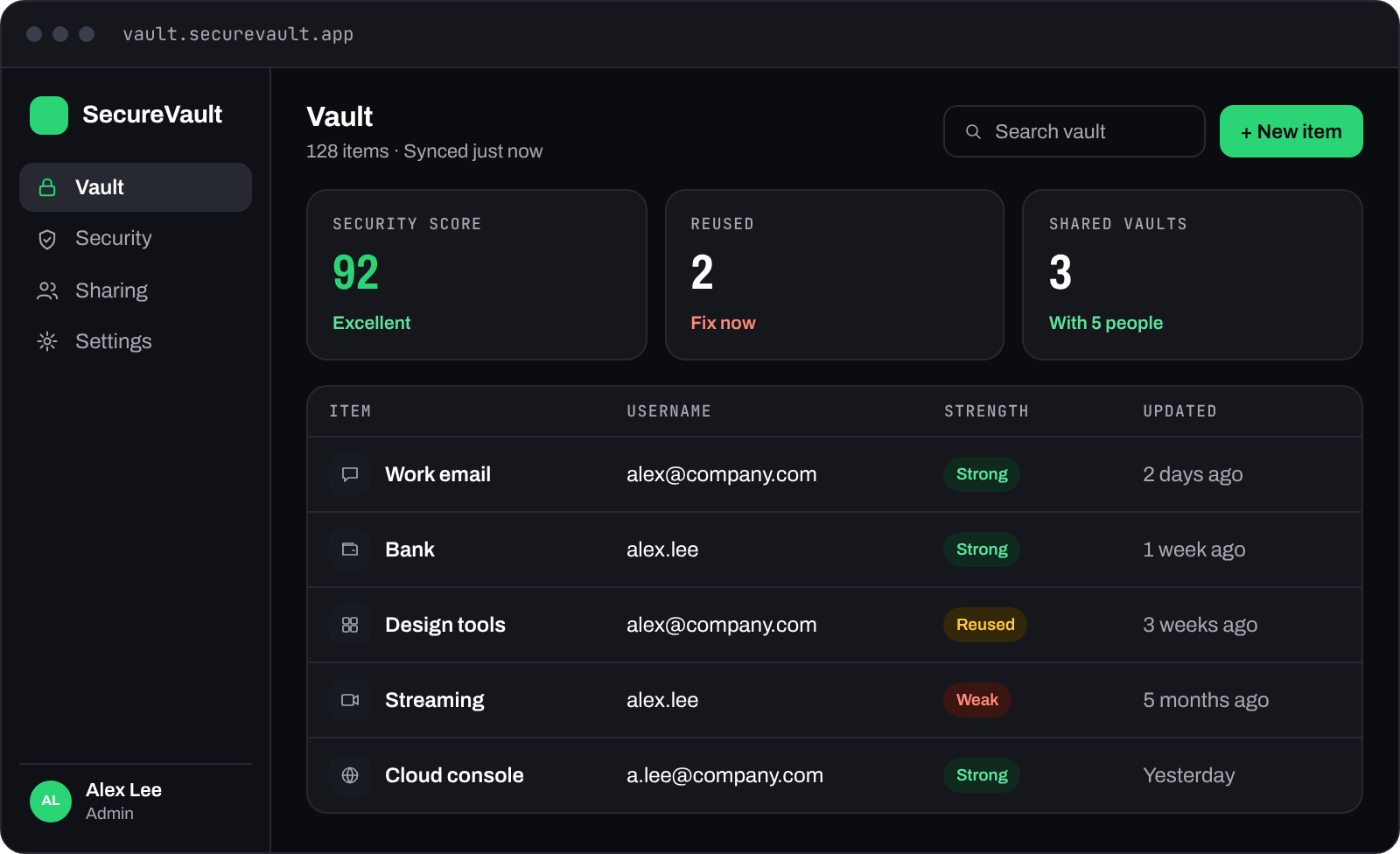
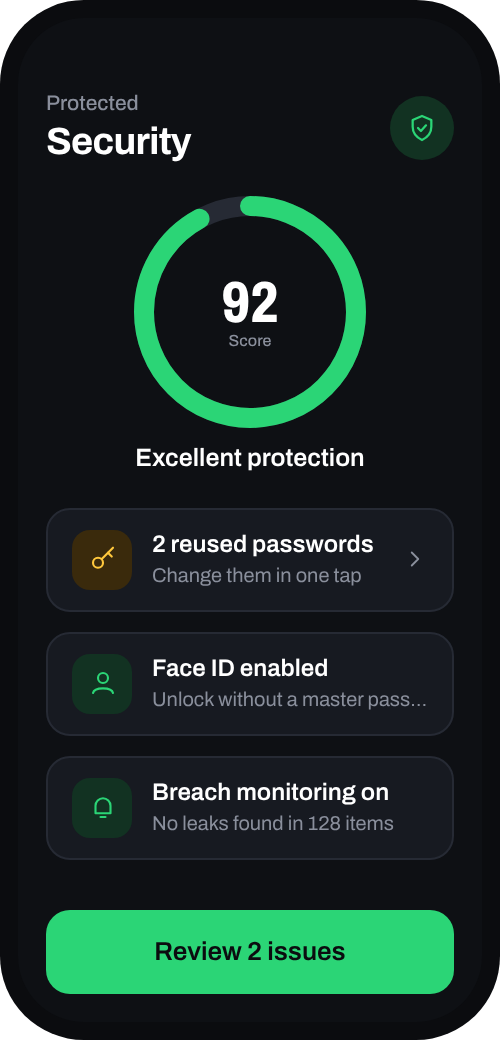
SecureVault
Password manager with biometric authentication and secure sharing.
React Native · React · Rust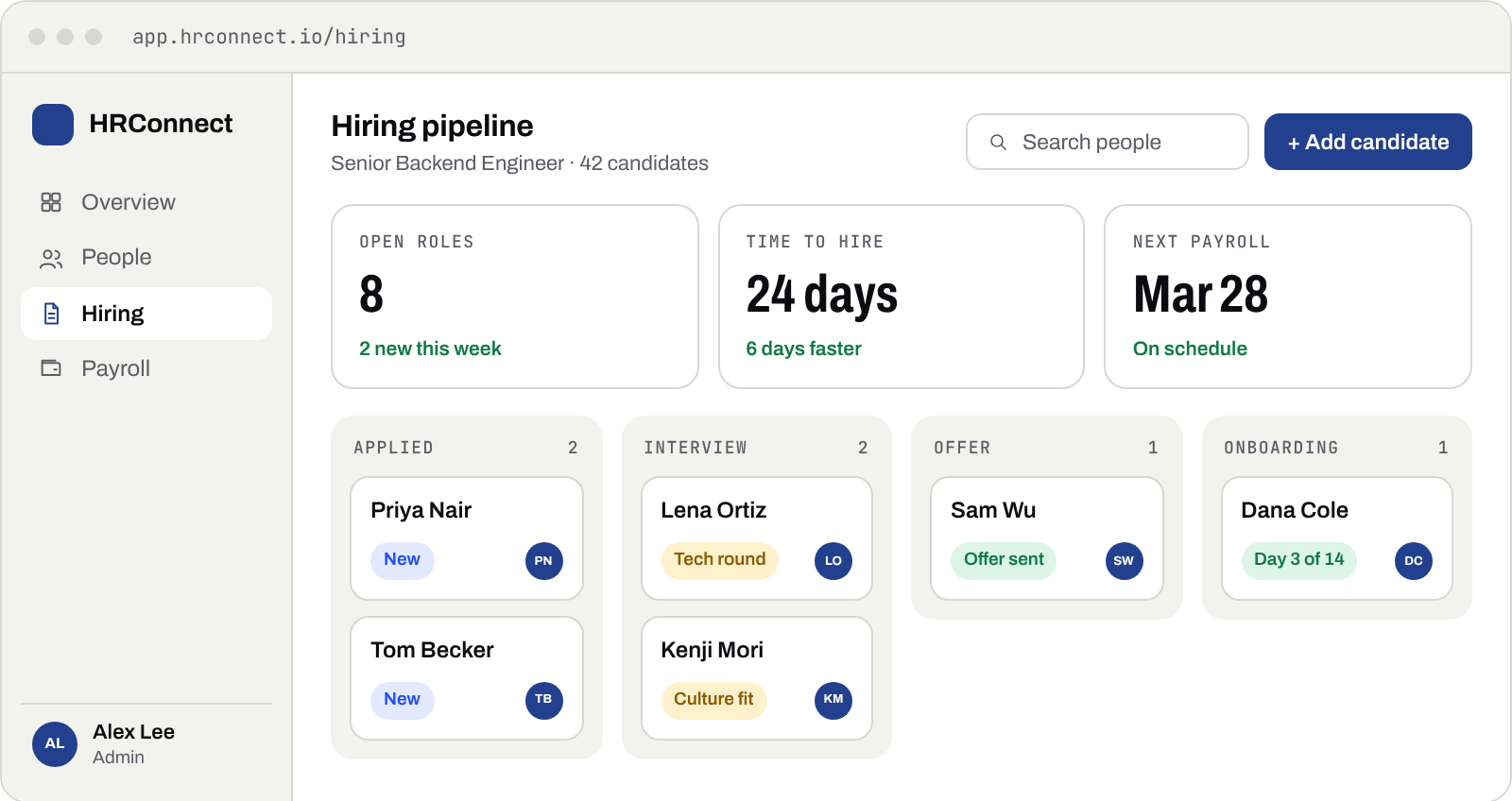
HRConnect
Human resources platform with recruitment, onboarding, and payroll.
React · Java · PostgreSQLBetter together.
The technologies we most often combine with React. Each has its own page.
From first call to live app.
A proven five-stage process that eliminates guesswork, keeps you in control, and delivers on time.
Discovery & Scoping
We learn your business, map your users, and define exactly what needs to be built. No guesswork. No assumptions.
Design & Prototype
Wireframes and interactive prototypes so you can see and feel the app before a single line of code is written.
Development Sprints
Agile two-week sprints. You see real progress regularly. Feedback is built in — not bolted on at the end.
QA & Testing
Rigorous testing across devices, edge cases, and real-world scenarios. We find the bugs so your users don't.
Launch & Support
App Store submission, launch support, and an ongoing maintenance plan to keep everything running smoothly.
Questions, answered.
What clients most often ask us about React. Something else on your mind? Ask us directly.
01React or Next.js: what is the difference?
React is the library for building the interface. Next.js is a framework built on React that adds routing, server rendering and static pages. For logged-in apps plain React is often enough; for public pages that need search traffic we use Next.js.
02Do you write React in TypeScript?
Yes, by default. TypeScript catches mistakes before they reach users and makes a large codebase much easier to change safely.
03Can you improve the performance of our existing React app?
Yes. We profile the app, then fix the usual causes: unnecessary re-renders, oversized bundles, slow data fetching and heavy third-party scripts.
04Can the web app share code with a mobile app?
Yes. With React Native we can share types, API clients, validation and business logic between web and mobile, so both stay consistent.
05How do you keep a React codebase maintainable?
A clear folder structure, a shared component library, typed APIs, automated tests on the critical flows and code review on every change.
06How long does it take to build a React web app?
It depends on the scope, so we do not quote a timeline before a scoping call. What we can say is how we work: discovery first, then short sprints with a working build you can click through at the end of each one, so you see progress early and decide what comes next.
Ready to build something that actually works?
Get a free strategy call with our team. No hard sell. No obligation. Just an honest conversation about what you need to build and whether we're the right fit.